UK biotech · Critical care & translational immunology

Clinically grounded biotech innovating for critical illness.

BIOSIRIUS sits at the intersection of intensive‑care medicine and translational immunology — developing programmes for patients with the most severe forms of acute disease. Our current work is anchored in the biology of interleukin‑18.

Current scientific lead IL-18 biology in severe inflammatory disease
Clinical evidence Peer-reviewed 206-patient cohort study (2023)
Team Practising clinicians, translational scientists, and trial-design advisors
Grounded in Intensive care medicine Translational immunology Inflammasome biology Human clinical data Patient-selection logic

Our current work is centred on a cytokine at the heart of severe inflammatory disease.

BIOSIRIUS is building a portfolio of programmes in severe illness. The lead programme — and the focus of our current research — is built on the biology of interleukin-18 (IL-18), a central regulator of the cytokine response that, when uncontrolled, drives many of the worst clinical outcomes in critical care.

01

Inflammasome output

IL-18 is the end-product of inflammasome activation across multiple cell types. In severe disease, normal negative-feedback control by IL-18 binding protein (IL-18bp) can fail, leaving the biologically active “free” fraction elevated.
02

Critical-care relevance

Loss of IL-18 negative feedback is implicated in macrophage activation syndrome and overlaps mechanistically with the dysregulated immune states observed in severe pneumonia and ARDS.

03

Human clinical data

Our published 206-patient hospital cohort showed that elevated free IL-18 from symptom day 15 onwards was associated with severity and mortality — providing an evidence base for driving new treatments in this underserved condition.

Intensive Care Medicine Experimental 2023

Elevated free interleukin-18 associated with severity and mortality in a prospective cohort of 206 hospitalised COVID-19 patients.

Nasser SMT, Rana AA, Doffinger R, Kafizas A, Khan TA, Nasser S. Intensive Care Medicine Experimental, 11:9 (2023).

Read the publication

A team that has done the work, not just described it.

BIOSIRIUS’s strength is the people behind it — practising intensive‑care physicians, immunologists, and trial‑design advisors who have already taken a clinical question through study design, data, and peer review. The patent landscape around our current work is one outcome of that, not the focus.

  • Designed and ran a prospective 206-patient clinical cohort study in severe respiratory infection.
  • Published the resulting evidence in a peer-reviewed critical-care journal in 2023.
  • Established granted intellectual property in our current lead area as one outcome of that programme.

We understand the reality of severe illness — and how to build programmes around it.

The team’s daily working environment is the intensive care unit, the immunology lab, and the hospital corridors where decisions about severely unwell patients are actually made. That clinical grounding shapes every decision we take about future development.

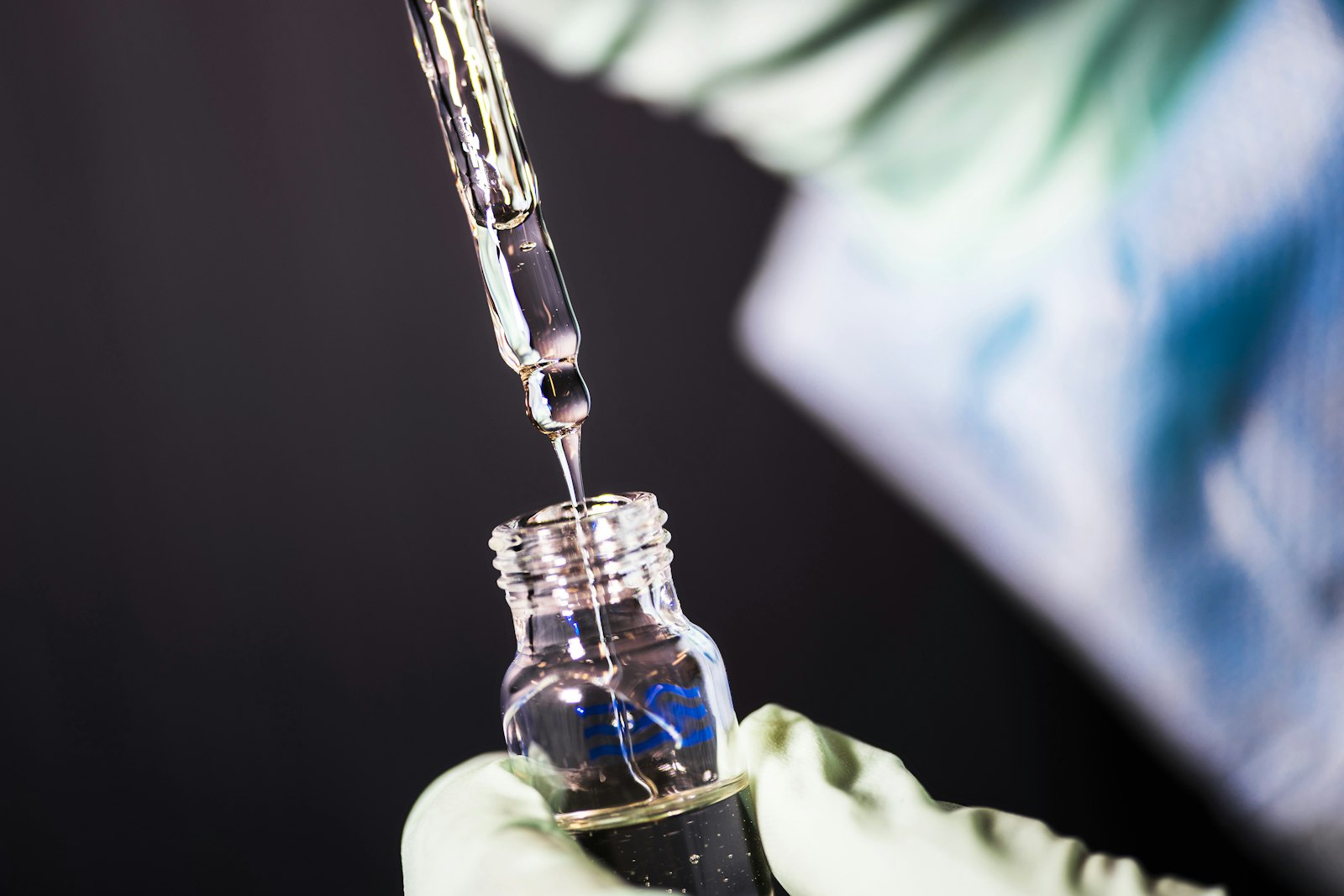
Gloved hand using a pipette to dispense liquid into a small sample vial.
Translational immunology rests on careful sample handling — every assay, every measurement, every result.

Critical-care insight

First-hand experience of intensive care, severe respiratory failure, and the multi-organ dysfunction that defines the patients most likely to benefit from new approaches.

Patient-selection logic

Disciplined thinking about which patients, at which point in their illness, and on which biomarkers — the practical questions that determine whether a programme is realistic.

Translational pathway design

Bridging mechanism, biomarker, and clinical endpoint into a development logic that a regulator, a sponsor, and a critical-care physician can all recognise.

Future trial architecture

Pragmatic thinking about study populations, stratification, and endpoints — informed by clinical-trial design experience within the team and its advisors.

From bedside observation to a portfolio of programmes.

A measured path: scientific question → clinical dataset → peer-reviewed evidence → granted IP → expanding translational programme. Each step before it was secured.

  1. 2020 – 2021

    Scientific investigation

    Hypothesis-driven study of IL-18 negative-feedback failure in severe respiratory illness, designed and registered prospectively from intensive-care experience.

  2. 2021 – 2022

    Clinical dataset generation

    Prospective collection and analysis of a 206-patient hospital cohort, with longitudinal cytokine measurement and outcome data.

  3. 2023

    Peer-reviewed publication

    Findings published in Intensive Care Medicine Experimental, providing the underlying clinical evidence base.

  4. 2024

    Underlying IP secured

    Intellectual property covering the team’s current lead area was formally granted — one outcome of the preceding clinical and laboratory work.

  5. 2025 – present

    Expanding translational programme

    Additional research lines and IP development in critical illness and inflammatory disease, building on the underlying science.

  6. Ahead

    Partnerships & programme development

    Selective partnerships with scientific, clinical, and strategic counterparties to advance development-ready programmes — at our own pace, with the right collaborators.

A team built around critical care, immunology, and translational judgement.

BIOSIRIUS brings together people who have spent careers at the bedside of severely unwell patients, in clinical immunology laboratories, and in the regulatory and trial-design environments where translational programmes are actually built.

Directors

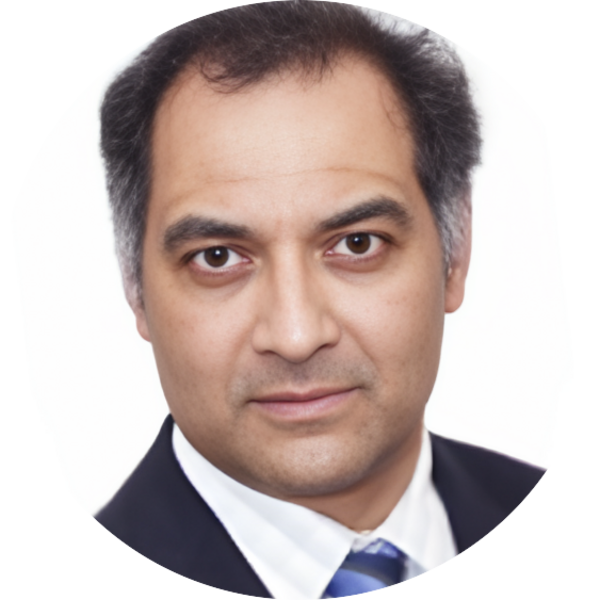
Dr Syed Nasser
Director & Co-founder

Dr Syed Nasser

ICU physician and translational researcher. Designed and led the prospective cohort study underpinning BIOSIRIUS’s scientific basis, published in 2023 in Intensive Care Medicine Experimental. Drives the company’s scientific direction and translational strategy.

  • Intensive care medicine
  • Translational immunology
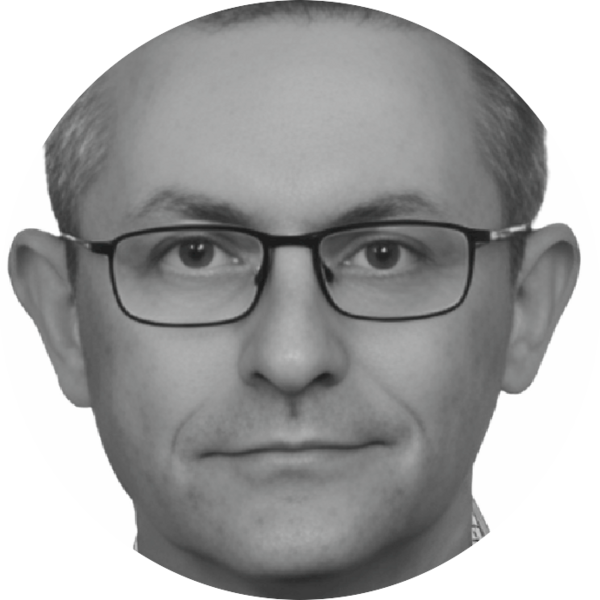
Associate Professor Shuaib Nasser
Director & Co-founder

Assoc. Prof. Shuaib Nasser

Consultant physician in allergy and clinical immunology at Cambridge University Hospitals, and an associate professor with long-standing experience advising regulatory and industry bodies on therapeutic decisions in severe disease. Brings clinical, regulatory, and senior medical leadership experience to BIOSIRIUS.

  • Clinical immunology
  • Regulatory & medical strategy

Advisors

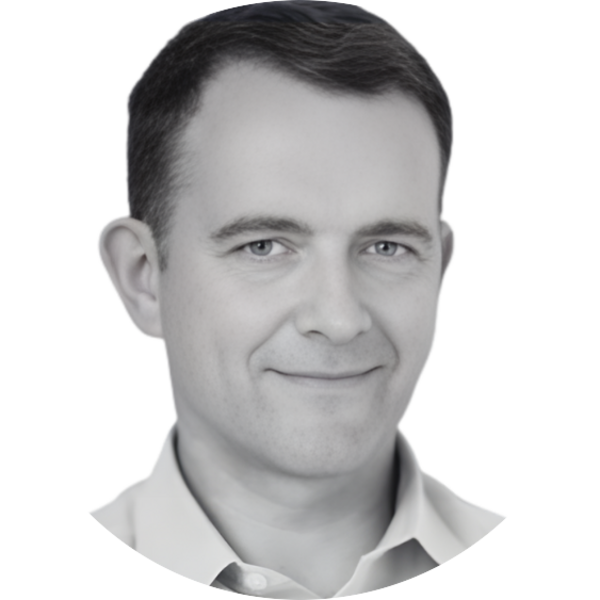
Dr Rainer Doffinger

Dr Rainer Doffinger

Co-founder & scientific advisor

Director of the Cambridge Cytokine and Cellular Immunity laboratory at Cambridge University Hospitals; extensively published immunologist, with deep expertise in cytokine measurement and inflammatory disease biology.

Professor Ben Creagh-Brown

Prof. Ben Creagh-Brown

Clinical trial design

Consultant in intensive care and respiratory medicine, with published clinical-trial experience in severe respiratory illness. Advises on study design, patient selection, and pragmatic endpoints.

Robert Muir

Robert Muir

Biotech finance

Former biotech CFO with extensive public-equities and capital-markets experience in life sciences. Advises BIOSIRIUS on financing, governance, and corporate strategy.

Yannick Bossard

Yannick Bossard

Operations & supply

Senior life-sciences operator with deep experience in pharmaceutical supply chain and operational scale-up across regulated medical environments.

Speak with BIOSIRIUS.

We welcome serious conversations with strategic partners, investors, scientific collaborators, and prospective advisors. Direct, written introductions are the most effective route.

Email contact@biosirius.co.uk
Registered office United Kingdom
Strategic partnerships Investor enquiries Scientific collaboration Advisory discussions

Please note that confidential and commercially sensitive material is shared only under appropriate written agreements with serious counterparties.